Shopping
In Turkey, traditions of the past live on in the treasures of the present. Nowhere is the beauty of Turkey's natural resources brought more to fruition than in the many handicrafts which are so much a part of daily life in Turkey. The rich colors and skilled craftsmanship of the many objects available to purchase will remind you for years to come of the country of which they are such an integral part.
CARPETS

Carpet weaving started with the nomads of Asia who are still masters of the craft. Packed and transported easily, are present in each moment of their life. The history of knotted carpets in Turkey starts with Seljoukide invasion. Samples dating as back as the 13th century have been found in Central Anatolia; stars geometrical designs, birds and dragons are the main figures. Islamic culture had a big influence in the history of carpet weaving. Ottomans, by Sunnite influence, forbade the representation of any living creature on carpets. Therefore, decoration was limited to geometrical designs, flowers and trees. From 16th century on, a richer design series with spirals and cloud shape was applied. The principal workshop at that time was in Uşak. Arabesques followed by zig-zag and lozenge shapes were also characteristics of these. For centuries, carpet waving has been the domain of the women in Turkey. Today, this tradition still continues. In more that 40.000 villages, young girls continue to learn this traditional art. Turkish carpets are particularly known for the style of the knots : Turkish or Gordes knot is made with a double knot technique which is more firm and solid than any other carpet in the world. This technique is repeated throughout the process. At the end, the excess on the surface is cut with scissors and regularized. Today, carpets are still woven in various regions of Turkey.
ONYX
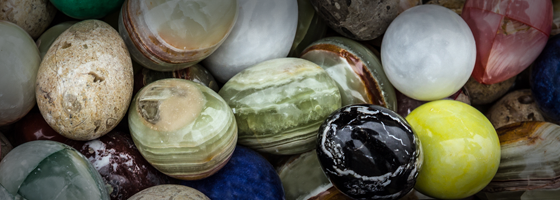
In Turkish, onyx is called "mermer". The best quality is the green with brown reef, next in quality is the beige with brown reef and the most common is the white. This lovely half transparent stone is used to make vases, ashtrays, boxes, glasses, chess games etc.
EMBROIDERY
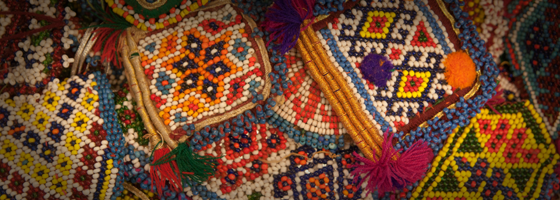
You are sure to be enchanted while in Turkey at the silk and cotton ornamented with embroidery for tunics, skirts, suits or other clothes, including bathrobes from Bursa, scarves and foulards and kaftans embroidered with gold or silver rope that women used to wear.
KILIMS
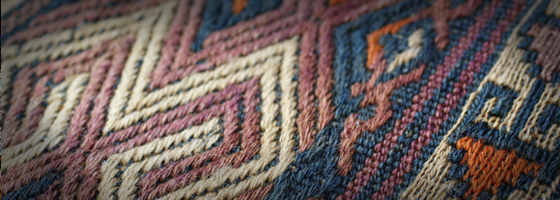
These are woven carpets and are very soft. The originality of this art can be found in its geometrical design and especially the colors. Kilims are widely used in Turkish homes to cover the floor and even the walls
LEATHER
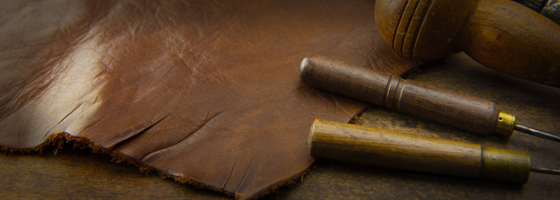
Turkish leather is exceptional for its quality and reasonable price. Because it is made of lambskin, it is soft to the touch. Istanbul is known for its leather goods, but you can find them anywhere throughout Turkey.
JEWELRY
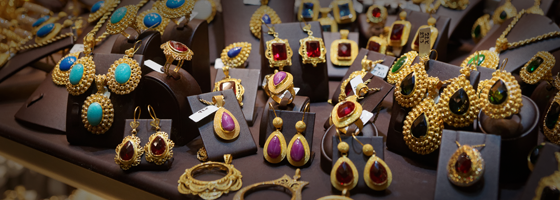
Although gold and silver are not expensive in Turkey, it is the semi-precious stones which are its specialty. The talent of the artists is world renowned. Often working in settings of copper and brass, turquoise, jade, lapis lazuli, coral, malachite, grenade and tourmaline abounds. You are also sure to find plenty of blue pearls (blue eyes), traditionally used to ward off the evil eye. You can find this good luck ornament in many shapes and sizes throughout Turkey.
MEERSCHAUM PIPES
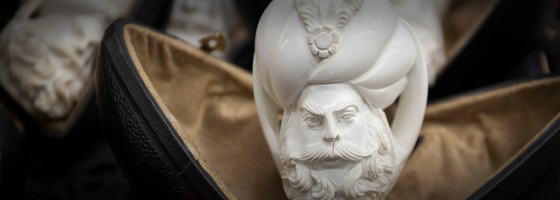
A wonderful souvenir to bring back are meerschaum pipes. Carved from the magnesium silicate found in the city of Eskisehir, they can be purchased throughout the country. A local artist can hollow out 3 to 4 pipes per day. Be sure to ask the seller about the legends that surround this Sea Venus or White Goddess, as it is also known.
COPPER
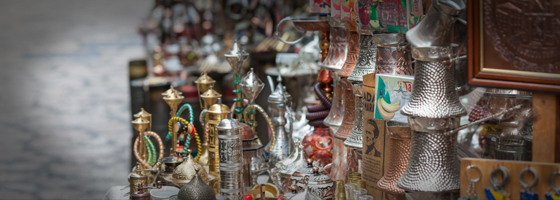
For centuries copper has been used to add beauty and sturdiness to everyday objects. Bright plates, cauldrons, samovars, glasses, coffee grinders and tea trays that glimmer in the afternoon sun of outdoor markets and bazaars are sure to shine just as bright inside your home for years to come. You'll have a chance to purchase them everywhere from Ankara to Cappadocia or in Denizli; Izmir, Kayseri and of course Istanbul and the Grand Bazaar.
CERAMIC, FAIENCE AND POTTERY
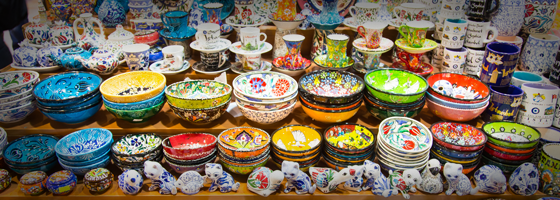
Ceramics of Nicea (Iznik) are renowned worldwide for their delicate beauty and displayed in various museums throughout the world. You can find some with very traditional designs. The workshops in Kutahya are known for their production of plates, glasses, flagons. Avanos in Cappadocia is known for the earthy beauty of its pottery which utilizes the color and the clay of the region. It is an artistic tradition passed down from father to the son.
SPICES
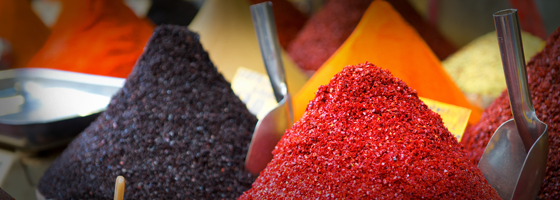
"Scents and sights" could be the slogan of the spice sellers of the endless array of colorful, aromatic spices sold in multicolor plastic bags and pots. Do not miss the Spice Bazaar in Istanbul near the Golden Horn. It is a feast for the senses.
